An MIT Engineer Built A Strange Weight Vest In His Grandma's Garage. Now 141,000 Lifters Own One.
He was not trying to start a company. He was trying to finish a workout in a gym whose only weight vest had fallen apart.

Note: The vest in this story looks wrong the first time you see it. There is a reason it looks that way, and it has more to do with a manufacturing decision made around 1980 than with anything happening in gyms today.


The gym had exactly one weight vest. It hung on a hook by the squat racks, and by the time Remy Mock got to it, the velcro had stopped gripping and half the sandbag pockets were torn open.
He had been training for five years and had never used one. Weight vests are almost never in gyms, which is why he had been looking forward to it. This was his first, and it did not work.
He put it on anyway. The sand that was left shifted around his ribs on every rep, and he had no idea what he was actually carrying, because nobody weighs a sandbag before they sew it shut. By the second set the thing was hanging off his shoulders like a weighted blanket.
Most people would have put it back on the hook. Mock has two engineering degrees from MIT, so he went home and started looking for a better one instead.
He could not find a better one, so he designed it. What follows is why the vest ended up looking the way it does, and how it compares to the two things most people buy instead.
| Kensui EZ-VEST | 5.11 TacTec carrier | CAP Barbell vest | |
|---|---|---|---|
| Max capacity | 300 lb | 30 lb | 20 lb |
| Smallest increment | 2.5 lb plates | 15 lb jumps | Sand pouches |
| Time to change weight | Seconds | About a minute | Minutes |
| Cost per pound | About $1 | About $11 | $1.10 |
| Verdict | Scales with you | $149 before any plates | Outgrown in weeks |
Capacities and the EZ-VEST price checked on each maker's own listing, August 18, 2026. The TacTec carrier was $149.49 on sale that day against a $250 list price, and it ships with no plates. Cost per pound comes from our own vest testing in June 2026 and counts the plates needed to reach each vest's stated capacity.
Nothing About The Category Had Moved In Forty Years
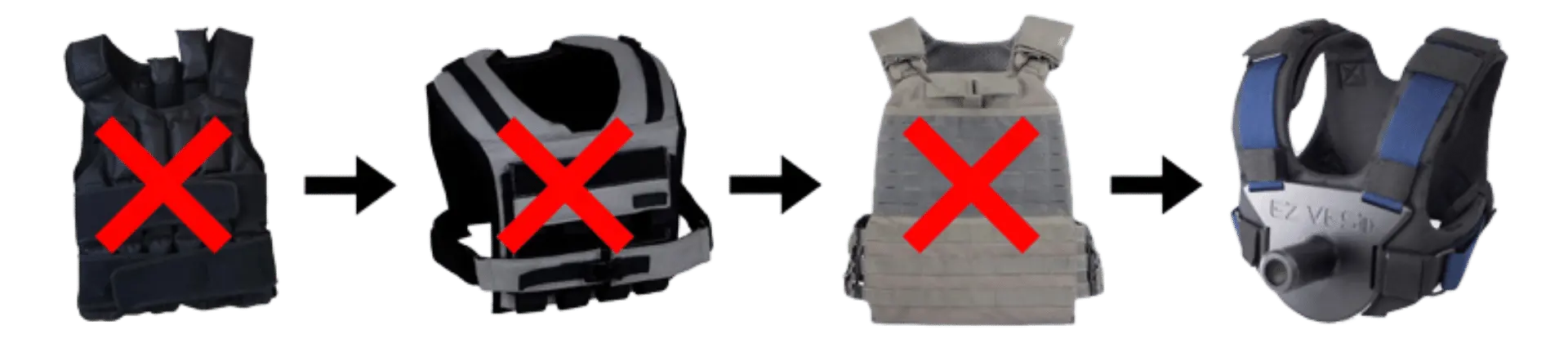
Mock spent a few nights shopping and could not find a single vest he wanted to own. The market split cleanly in two, and both halves had a problem.
One half was sandbag vests. Cheap, soft, capped somewhere around 20 to 60 pounds, and full of pouches whose actual weight nobody publishes. The other half was tactical plate carriers borrowed from military kit. Those are built well, but they take proprietary steel plates in 15 pound jumps and the ready to train cost runs past $300 for 30 pounds of load.
Underneath both sits the iron block vest, which arrived around 1980 and is still sold today in more or less its original form. That is Kensui's framing of the category, and it is worth saying so plainly. It also survives a look at what is currently on sale.
He Taught Himself CAD And Started Printing
Mock's degrees are in electrical engineering and computer science, not in the kind of engineering that produces physical objects. He taught himself CAD modelling, bought a 3D printer, and started turning out parts.
He was well placed to know what to fix. He had been training calisthenics for years, most of it as a digital nomad with no gym at all, loading a dip belt with plates because it was the only equipment that travelled.
As I used the dip belt which uses plates, I was thinking it would be nice to have a vest that does the same. That is how I decided to make the EZ-VEST.
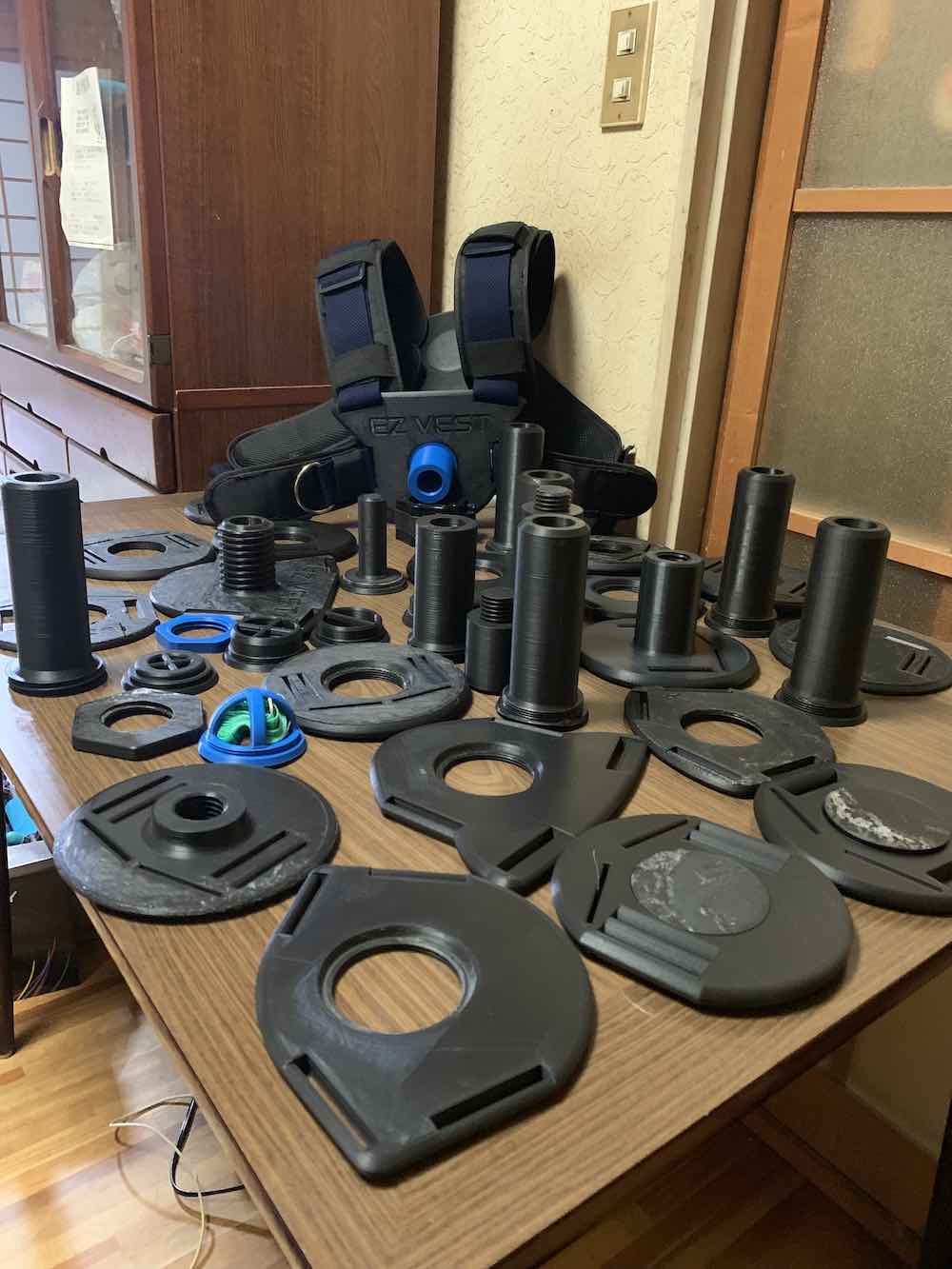
Remy Mock, in an interview with Calisthenics.comThe printing went on for months and produced hundreds of versions. Different shell curves, different strap geometries, different ways of holding a plate flat against a moving ribcage. Most of them failed, and the table of parts near the top of this story is what that looked like.
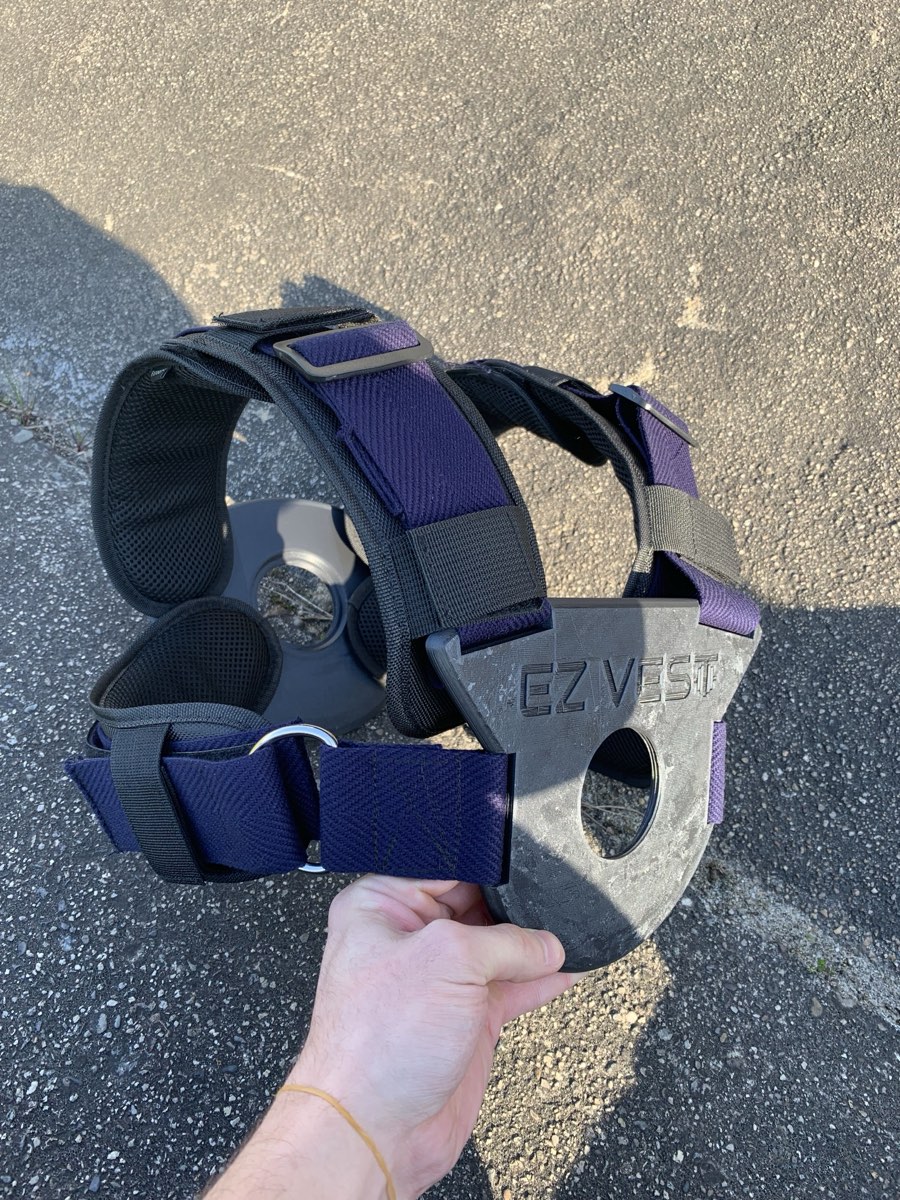
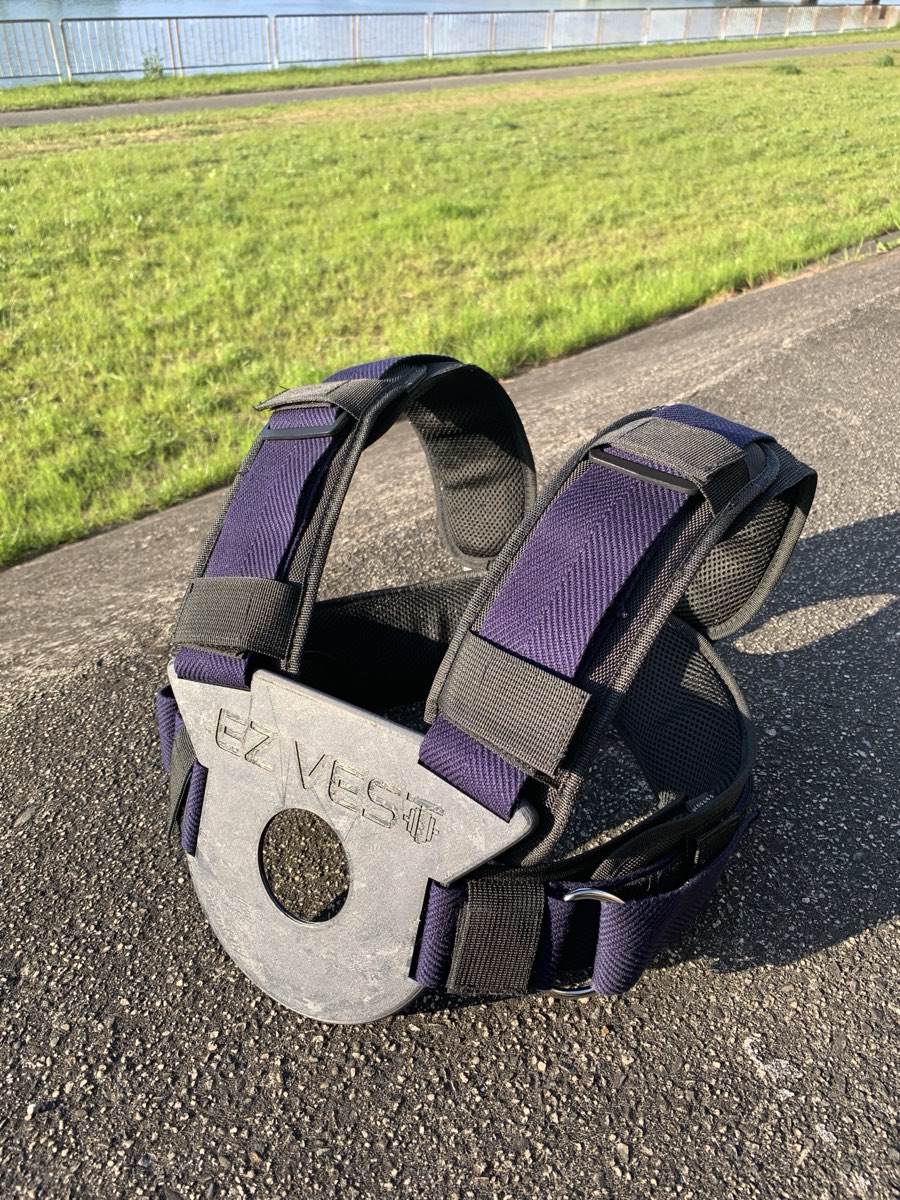
One that made it off the table. Printed chest plate, webbing straps, and the loading hole already in the place it sits today. Both photographed by Mock.

The version he stopped iterating on is the one Kensui sells today. It starts at $99 for the 80 pound model.
Get the EZ-VESTWhy It Looks Like That
Three decisions explain most of the strangeness.
It takes plates, not custom weights. A threaded post sits at the sternum and holds standard 1 inch or 2 inch plates, the same ones already racked at every gym. That is where the calibration comes from. A 45 pound plate weighs 45 pounds, so you always know your load, and adding 2.5 pounds takes about as long as it sounds.
It only covers the chest. Most vests wrap the whole torso, which is fine for walking and bad for anything that asks your spine to bend. Leaving the belly and lower back open is what lets you do a push-up, a squat or a side plank in it without the vest fighting you.


The open midsection is the point. A full-torso vest makes both of these awkward.
The plate is rigid, and that matters more than it sounds. Loose sand swings. A swinging load pulls on your back at the bottom of every rep and makes a given number feel heavier and sloppier than it is.
A 100lb standard vest is much harder to use than a 100lb EZ-VEST. Because the EZ-Vest uses weight plates, it gives you a very rigid place to grab it.
Remy Mock, in an interview with Calisthenics.com
What It Is Actually Made Of
Kensui publishes the build sheet, which is more than most of this category does. The current MAX model lists an aluminium load plate, a PU leather lining, 8mm padding, a side release buckle rather than velcro, and a 9.5cm loading sleeve. The shell is ballistic nylon, the fabric used in luggage and motorcycle gear.
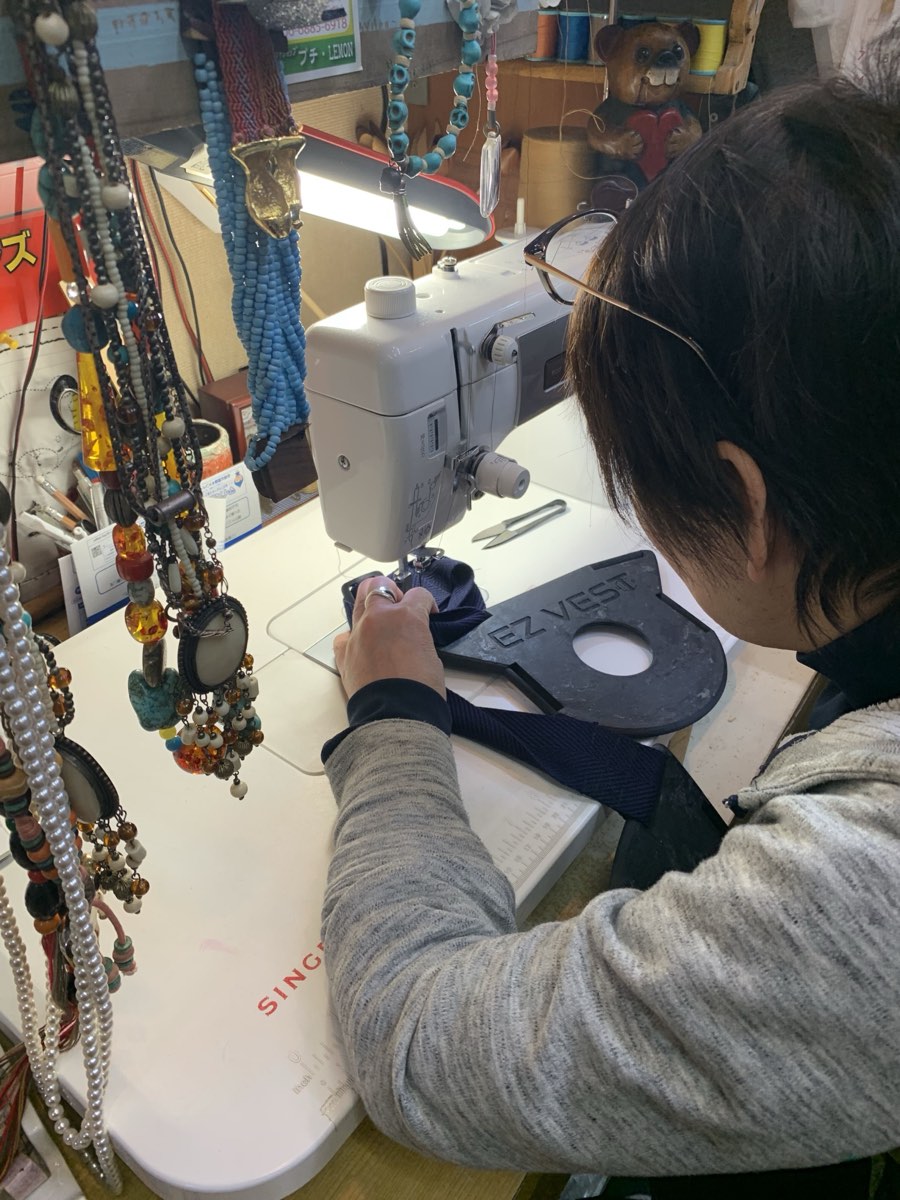
Two of those deserve a note. Ballistic nylon is genuinely tough and genuinely not the strongest fabric on the market, whatever the marketing says. And the buckle is the quiet upgrade: velcro is the part that fails first on cheap vests, which is exactly how this story started.

He Did Not Plan To Sell It
The vest was for him. Then friends asked for one, and then strangers at the gym started asking where he had bought it, which is a strange question to be asked about an object you printed yourself.
He put it on sale. Kensui says the buyers in the first month included Olympians, IFBB pros, college football coaches, and one NHL coach who ordered six. The company has since built out warehouses in the US, Canada, Europe and China. Two weeks after launch, Mock started donating a share of profits.
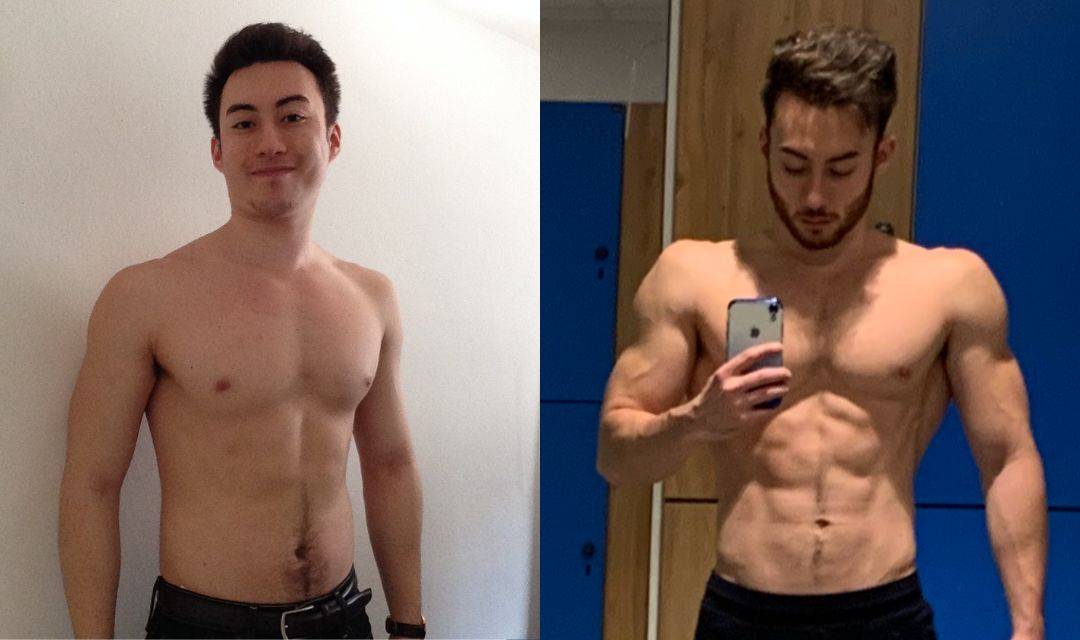
Mock also says the vest changed his own training, and he published the before and after at the top of this page to make the point. He credits roughly 20 pounds of gained muscle to weighted calisthenics with it. That is his claim and his photograph, not a controlled result, so read it the way you would read any founder's progress shot.
This vest is EVERYTHING! Well worth it's weight In gold! I highly recommend it. Thank you for the extra fitness challenge
What It Costs
Three models, all in stock: Lite at $99 for 80 pounds, Pro at $179 for 150 pounds, Max at $299 for 300 pounds. For scale, the tactical carrier in the table above costs $149 to $250 before it holds a single plate.
Get the EZ-VESTNo. The post takes standard 1 inch plates and 2 inch Olympic plates, so most home sets already fit. If you own nothing, small plates are the cheapest weight you can buy.
You can walk, ruck and train in it. It is not built for distance running, and no plate-loaded vest is. For running, a fitted sandbag vest is the better tool.
One size, adjusted by the straps and the side release buckle. The difference between the three models is load capacity, not fit.
Science Meets Gym earns a commission when you buy through some of the links on this page. It never changes which products we recommend. Quotes from Remy Mock are taken from his interview with Calisthenics.com. Review counts and prices were checked against kensui.com on August 18, 2026. The before and after photograph and the customer testimonial are published by Kensui and have not been independently verified.
